


VETCH
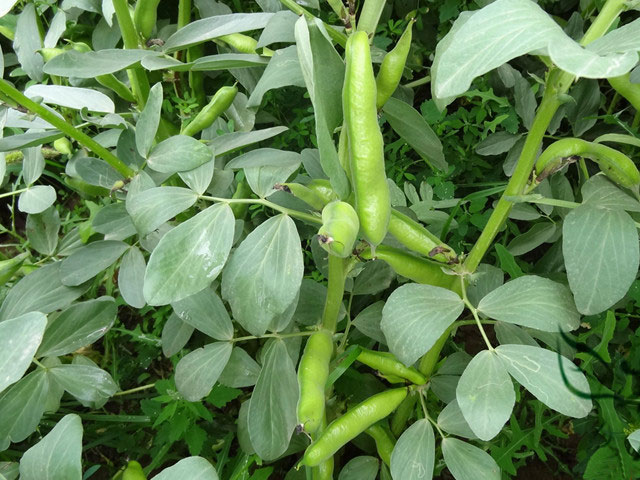
VETCH – Vicia
Leguminosae
Vicia is a genus of plant from the Leguminosae family, which includes over 200 species, commonly known as vetch.
This genus contains some cultivated species, the most famous one being the broad bean.
Species in this genus are either annual or perennial herbs.
Types
BROAD BEAN
(Vicia faba)
The broad bean is a legume in the Vicieae tribe; its botanical name is Vicia faba (or Faba vulgaris).
The broad bean is an annual, fast-growing plant, which stands upright, is hairless and grey-green in colour. Its development is permanent and its root system has voluminous tubercles.
It is a legume that is unearthed and frees the soil relatively quickly, which allows for excellent wheat preparation. Broad bean is an excellent crop booster and therefore an ideal preceding crop for wheat. Its position is between two cereals in crop rotation.
Characteristics:
| Characteristics | Annual – Upright – Tall |
|---|---|
| Cycle | Short |
| Climate Adaptability | Mediterranean – Temperate |
| Climate Resistance | It does not tolerate cold or humidity |
| Soil Resistance | Heavy, clay, clay-calcareous; it spurns loose soil types and those with low humus content, organic material or which are susceptible to water stagnation. |
| Areas of Cultivation | Widespead |
| Fibre | Balanced fibre supply |
| Use | Fresh forage or silage, hay |
| Seeding Dose | 130/200 Kg/Ha |
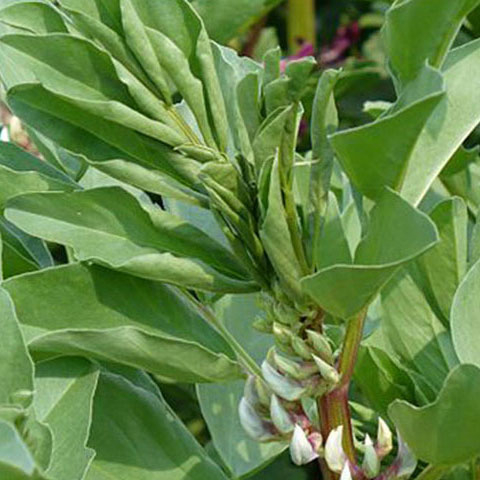
COMMON VETCH
(Vicia sativa)
An annual climbing leguminous plant. It is not very resistant to the cold.
It is sown in autumn in regions with mild winters and in spring in colder regions (northern Italy).
It may be sown on its own for green forage or hay (in which case it must be mown before it flowers fully) or silos (in which case it must be mown at the end of its flowering stage); or it may be used in plant combinations to form autumn or spring herbal gardens with other leguminous or poaceae plants to increase the supply of protein.
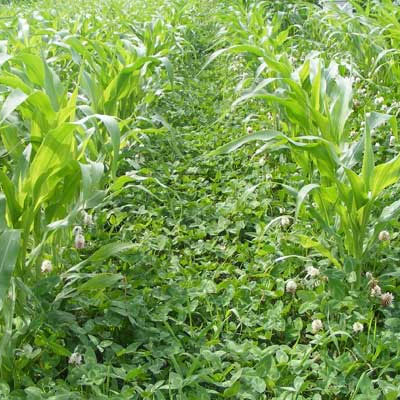
It is an excellent green manure essence because of its nitrogen-fixing characteristics and its ability to suppress weeds.
Characteristics:
| Characteristics | Annual – Prostrate – Climber – Medium size – Ability to combine with other plants |
|---|---|
| Cycle | Medium |
| Climate Adaptability | Tropical and subtropical – Mediterranean – Warm temperate |
| Climate Resistance | Hot, humid and cold |
| Soil Adaptability | Light, sandy – Heavy, clay – Calcareous |
| Cultivation Zones | North and South: Mountains and plains |
| Use | Hay: Green or silage |
| Seeding Dose | 90-120 Kg/Ha |
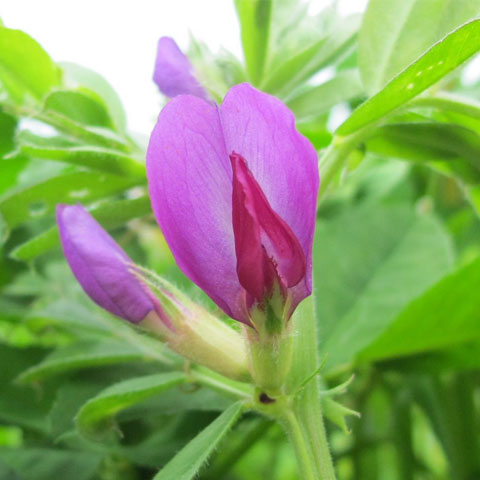
MILUKA Variety
WINTER VETCH
(Vicia villosa)
An annual leguminous climber plant, which is very rustic and resistant to the cold. It provides abundant produce because of its advanced development; it regrows easily after cutting. It develops prematurely in spring and produces good results in thin soil.
It supports different soil types and drought, adapting to acidic and sandy areas in the same way that it adapts to heavy soil types or those susceptible to water stagnation.
Excellent for green manure because of its aggressive growth in springtime.
Characteristics:
| Characteristics | Annual, Biennial – Prostrate, Climber – Medium height – Ability to regrow and |
|---|---|
| combine with other plants | |
| Cycle | Medium |
| Climate Adaptability | Mediterranean – Warm and cool temperate |
| Climate Resistance | Cold, hot, humid and dry |
| Soil Adaptability | Light, sandy – Heavy, clay – Calcareous, Dry |
| Areas of Cultivation | North and South: Mountains and plains |
| Use | Pasture – Hay – Silage |
| Seeding Dose | 75-100 Kg/Ha |
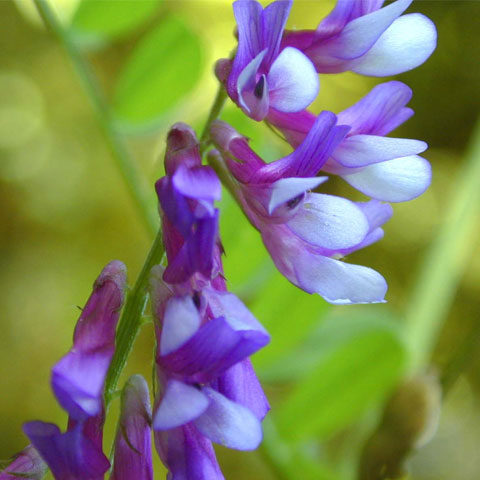
The roots contain nodules for fixing nitrogen

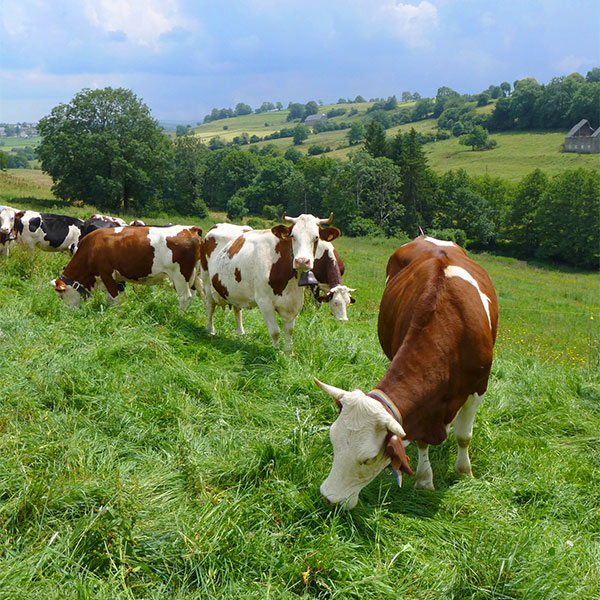
Different types of Vetch are used as forage.
Some species, including the most well-known Vicia faba (broad bean), are used for human consumption.